Table of Contents
If technical SEO audits in your organization are still handled manually on a monthly basis, critical site errors are likely staying hidden under your radar for days or even weeks. In today’s competitive SEO landscape, automating the technical audit process is no longer a luxury; it is an essential safeguard for catching disruptions in real time.
To help you build the right pipeline, the table below breaks down the top SEO audit tools by their automation features, API reliability, crawl capacity, and pricing:
| Tool | Best for | API + scheduling | Crawl scale | Starting price |
|---|---|---|---|---|
| SE Ranking | Audit + schedule + API on one plan | API all plans, scheduled | To 2M pages (Growth) | $129/mo |
| Screaming Frog | Scriptable command-line crawls | CLI + scheduling | RAM-bound | Free / £199/yr |
| Sitebulb | Prioritized scheduled audits | Scheduling, cloud API | To 500k (Pro) | ~$18/mo |
| Ahrefs Site Audit | Scheduled cloud crawls in-suite | API (tiered), scheduled | Tier-gated | ~$129/mo (approx) |
| Semrush Site Audit | Suite users, 140+ checks | API (tiered), scheduled | Tier-gated | ~$139/mo (approx) |
| Lumar | Enterprise scheduled crawls | Full API, scheduled | Multi-million | Custom quote |
| seoClarity | Enterprise audit + log files | Full API, scheduled | Unlimited pages | Custom quote |
| Nightwatch | Rank tracking with audit + API | API (Pro+) | Small audit caps | €79/mo |
Step 1: Schedule the crawl so no one runs it by hand
The first saving is deleting the manual crawl. A scheduled cloud crawl kills the “someone forgot” failure mode and leaves a dated baseline to diff against. Several SEO audit tools run this on a set cadence: SE Ranking, Sitebulb, Ahrefs, Semrush, Lumar.
Step 2: Alert on regressions the week they ship
A scheduled crawl only helps if a human hears about the diff. The worst faults are silent: 10.9% of mobile pages ship invalid HTML in the `<head>`, voiding canonical, hreflang, and robots directives with no visible error (Web Almanac 2024).
Step 3: Pull the audit into your own stack via API
To feed a warehouse or an agent, the audit has to leave its dashboard. The SEO audit tools worth wiring in expose their data: SE Ranking ships an API on every plan plus an MCP connector, so an agent can query audit health directly. Lumar and seoClarity expose full enterprise APIs. This breaks: agents do not budget, so cap credits on the API side.
Step 4: Triage the fix list without drowning
A crawl returning 4,000 issues in no order is a second job. The last step ranks faults by impact. A technical SEO audit weights Core Web Vitals too, and the target moved: INP replaced FID on 2024-03-12, good at 200ms or under (web.dev). A tool that surfaces the INP regression on your top templates first has done the triage.
The 8 SEO audit tools compared
So, here they are!
1. SE Ranking
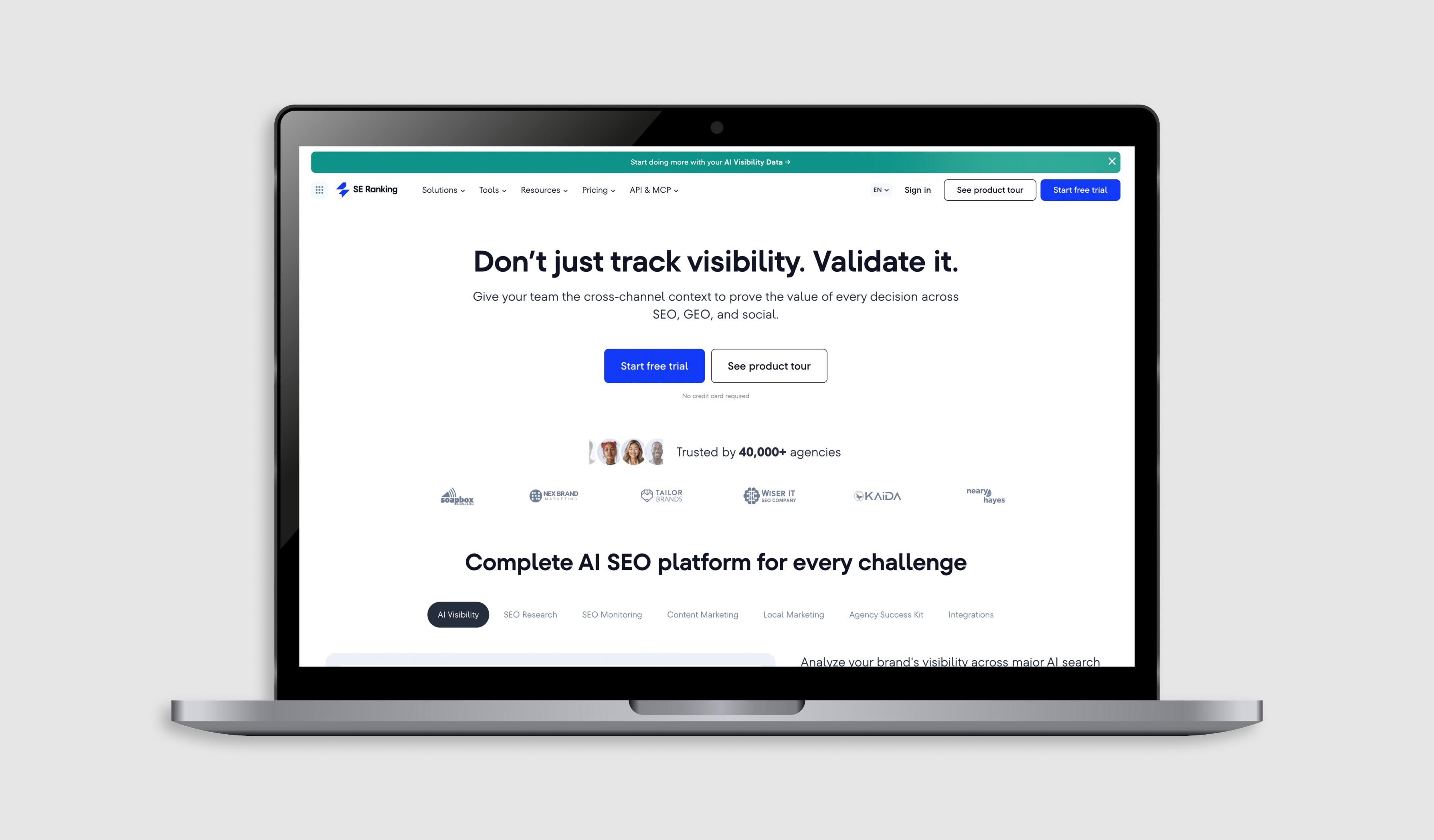
SE Ranking is the rare tool where the crawl, the schedule, and the API that moves the data sit on one plan, so the whole pipeline is one subscription instead of four.
Best for: agency and in-house teams automating audits end-to-end without stitching separate tools together.
Standout feature: the Website Audit runs 115+ checks across 13 categories with JavaScript rendering and scheduled re-audits, and every plan carries API access plus an MCP connector. That combination is what lets one audit feed a warehouse, a client report, or an AI agent without paying for a separate data tier. The Website Audit module documents the crawl side.
 Pros:
Pros:
- API and MCP on every plan tier, no automation add-on
- Scheduled crawls plus page-change monitoring for alerting
- Audit sits next to rank, keyword, and AI-visibility data
- White-label reporting through the Agency Pack
Cons:
- Deep log-file forensics is not its focus
- Highest crawl volumes need the Growth tier or above
- Add-ons stack if you need the Agency Pack and the AI Search add-on
Pricing: Core 129/mo(103.20/mo billed annually), Growth 279/mo(223.20/mo annually); the Agency Pack starts at $69/mo.
The build call: if the goal is a set of SEO audit tools that run unattended and feed the rest of the stack, this is where I start. One plan covers the crawl, the schedule, and the API, and the same account holds rank and keyword data, so the audit is never stranded.
2. Screaming Frog SEO Spider
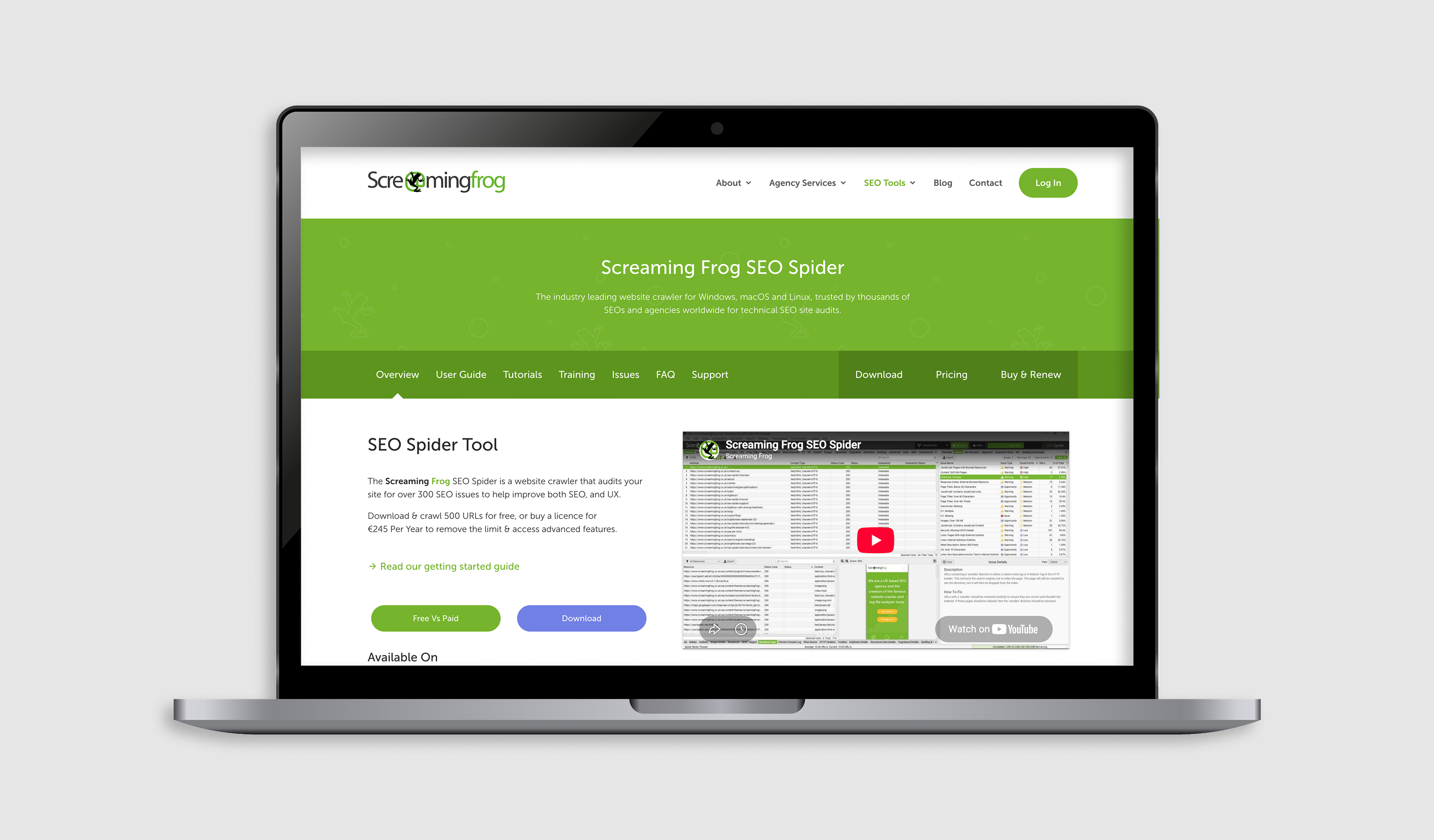
The command-line crawler behind a lot of homegrown pipelines.
Best for: engineers who want scriptable, scheduled crawls they control.
Standout feature: it runs headless with scheduling and JS rendering, so a nightly crawl drops into cron and you diff it.
 Pros:
Pros:
- Command-line mode for true automation
- JS rendering and deep, filterable data
- One flat licence, no per-crawl credits
Cons:
- Desktop or a VM you maintain, so crawl scale is your hardware
- No hosted history; you keep the exports
Pricing: free up to 500 URLs; paid licence around £199/year.
The build call: the workhorse inside a custom pipeline. Build cost: a VM and cron job.
3. Sitebulb
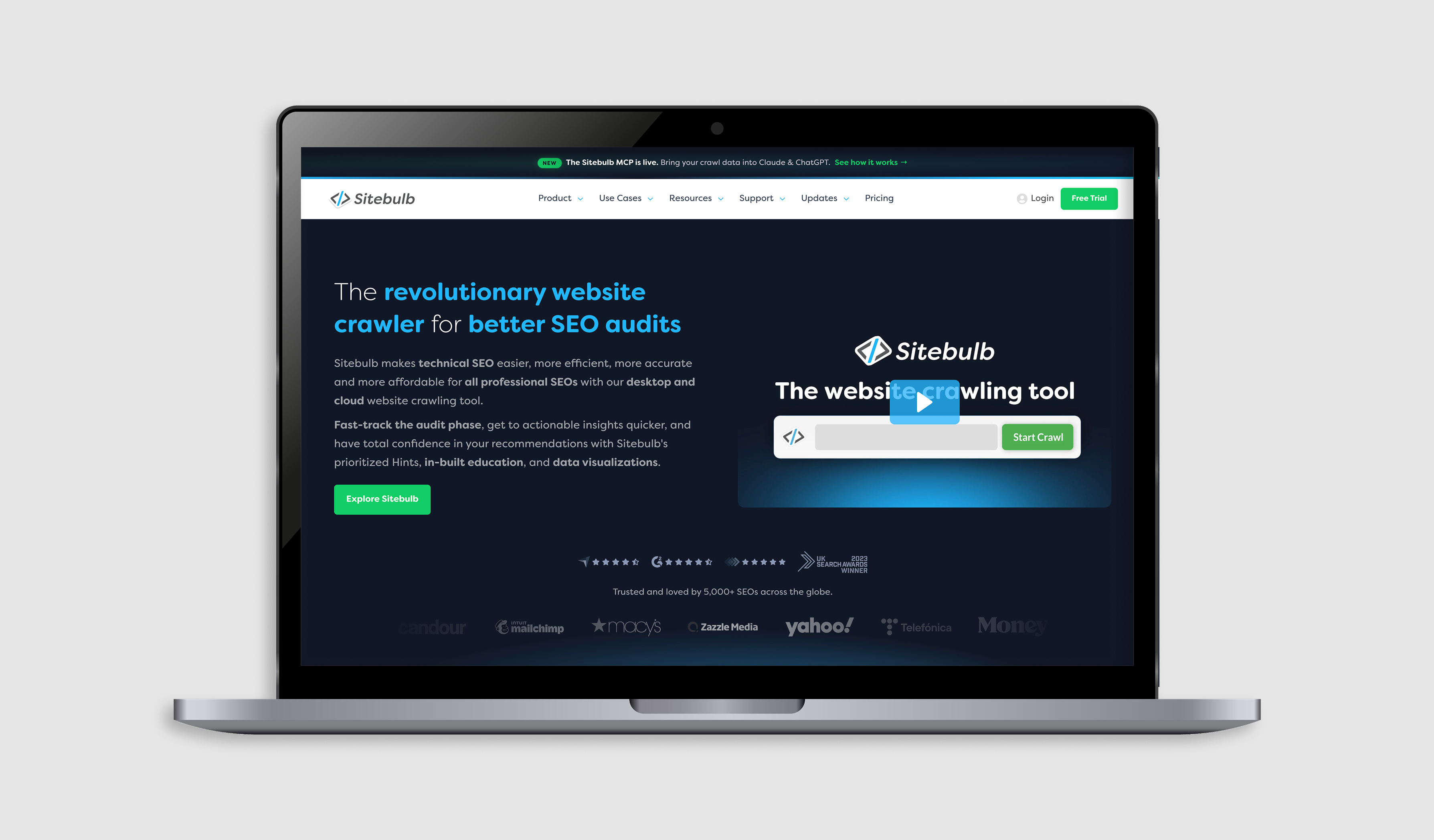
Schedules audits and ranks what it finds, so the output arrives already triaged.
Best for: teams that want scheduled audits that arrive pre-prioritized.
Standout feature: its Hints system scores issues by priority in plain language, and the cloud tier schedules crawls, covering steps 1 and 4 in one tool.
 Pros:
Pros:
- Prioritized hints reduce triage time
- Scheduled cloud audits with readable reports
- JS crawling and indexability checks
Cons:
- Desktop tiers do not automate cleanly
- Cloud API is thinner than the enterprise crawlers
Pricing: desktop from around $18/mo; cloud from roughly $125/mo.
The build call: buy the cloud tier for scheduling and triage; keep the desktop tier out of a pipeline.
4. Ahrefs Site Audit
A scheduled cloud crawler, cleanest if your data already lives in Ahrefs.
Best for: teams already in Ahrefs who want the audit on the same schedule.
Standout feature: scheduled cloud crawls with JS rendering and a tiered API feeding a dashboard.
 Pros:
Pros:
- Scheduled crawls with health-score history
- API access for pulling audit data
- JS rendering built in
Cons:
- API and crawl volume are gated by plan tier
- You pay for the whole suite to get the audit
Pricing: Ahrefs Free includes 5,000 Site Audit crawl credits per month for each verified project. Paid plans start at $129/mo, with higher crawl limits and API access on eligible plans.
The build call: fine inside an Ahrefs shop, one of the SEO audit tools you already pay for. Do not buy the suite for the audit.
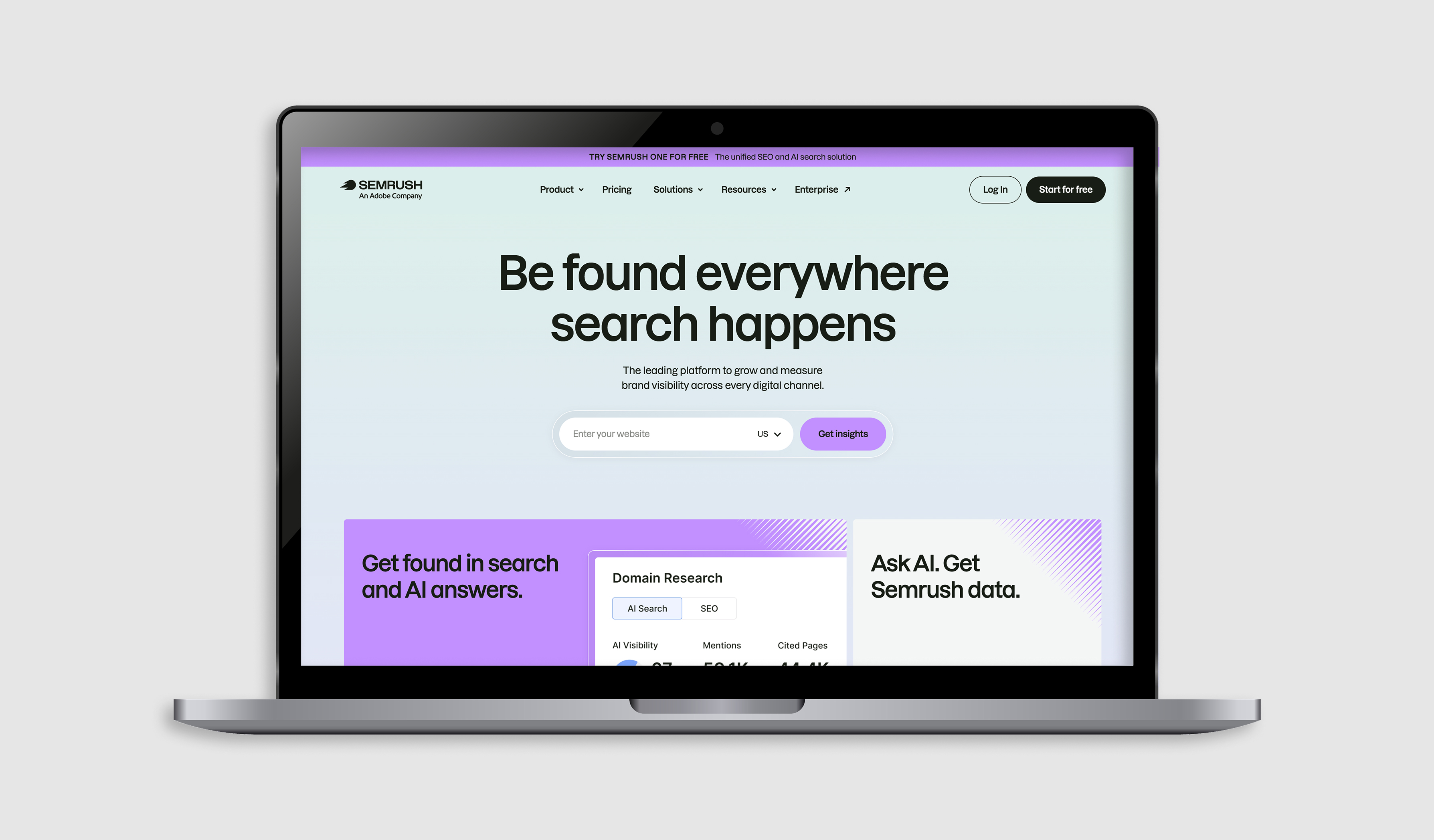
5. Semrush Site Audit
A broad checklist with scheduling and an API, for teams already on Semrush.
Best for: suite users wiring 140+ checks into an existing report.
Standout feature: scheduled recrawls across 140+ checks with JS rendering and a tiered API, grouped into reports by owner.
 Pros:
Pros:
- Wide check coverage, scheduled
- API for exporting audit data (tiered)
- Trend tracking across crawls
Cons:
- API limits and crawl caps are tier-gated
- Expensive if the audit is all you automate
Pricing: SEO Toolkit plans start at $139.95/mo. Standard API access requires the Business plan at $499.95/mo, with API units purchased separately.
The build call: automate it if you already run Semrush; otherwise the cost is hard to justify.
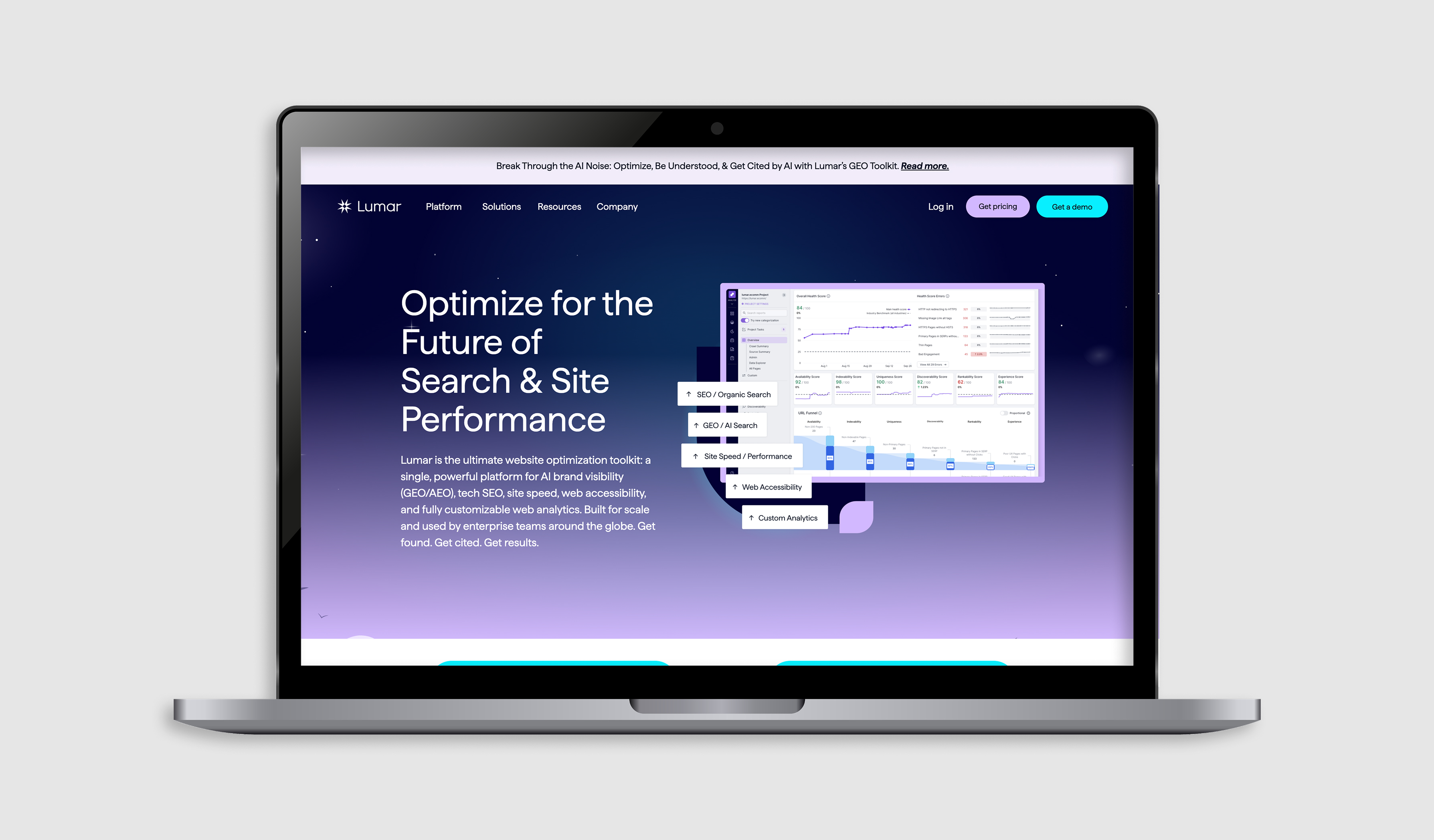
6. Lumar
Built for scheduled enterprise crawls at multi-million-page scale, with the API to match.
Best for: large sites automating crawls across millions of URLs.
Standout feature: scheduled crawls at enterprise scale with a full API, log-file analysis, and multi-domain support, so the pipeline holds when the site outgrows memory.
 Pros:
Pros:
- Multi-million-page scheduled crawls
- Full API and log-file analysis
- Multi-domain and change monitoring
Cons:
- Custom pricing only, sales-led onboarding
- Overkill for sites under a few hundred thousand pages
Pricing: custom quote (enterprise annual).
The build call: the right backbone when your catalog breaks a desktop crawler. Below a million pages, it is more than you need.
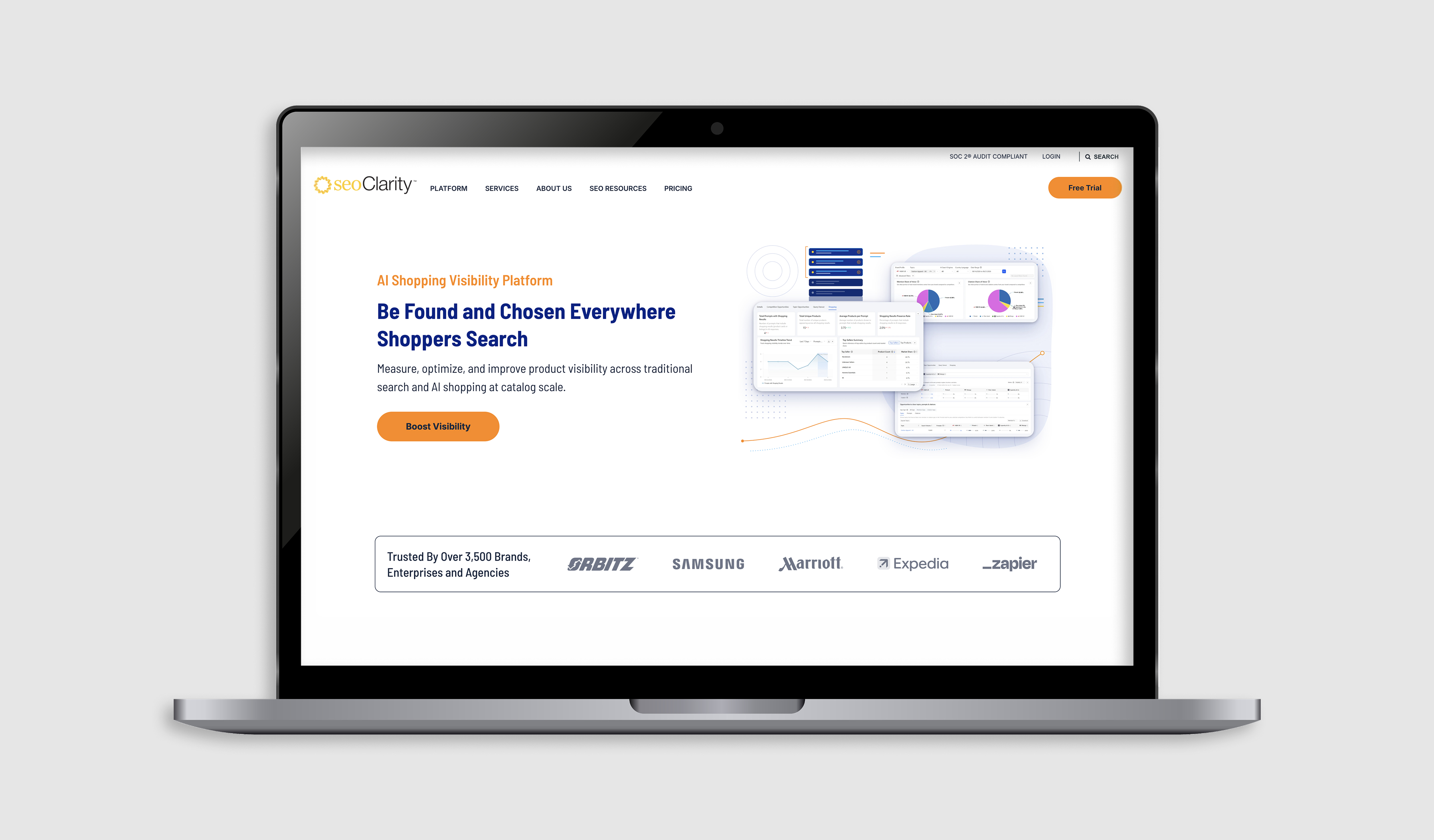
7. seoClarity
An enterprise platform pairing an unlimited-page crawler with log files and a full API.
Best for: enterprise teams that need audit plus log data in one automated flow.
Standout feature: its crawler handles HTML and JavaScript with no page cap, Bot Clarity adds log files, and the API exposes it all in one warehouse.
 Pros:
Pros:
- Unlimited-page crawls with log-file analysis
- Full API for pipeline integration
- Monitoring and alerting built in
Cons:
- Custom pricing with enterprise minimums
- Heavy setup for a small team
Pricing: custom quote.
The build call: worth it when server logs matter, and the budget is there. For mid-market, overkill.
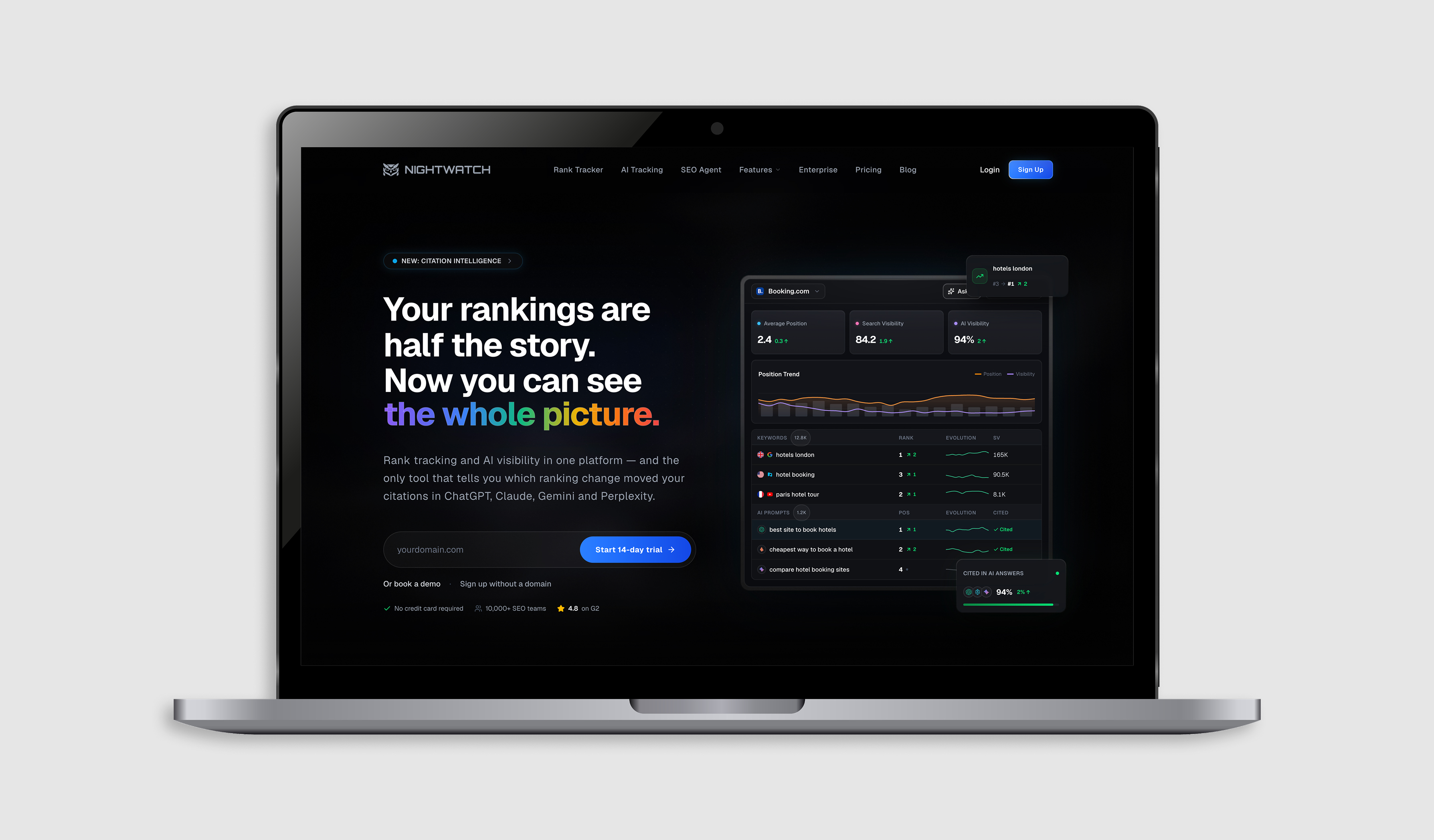
8. Nightwatch
A rank tracker with a site audit and an API.
Best for: teams that want rank data and a scheduled audit from one API.
Standout feature: an API from the Professional tier exposes both rank and audit data to one dashboard.
 Pros:
Pros:
- One API for rank tracking and audit data
- Unlimited seats on paid plans
- Scheduled audits on higher tiers
Cons:
- Audit page caps are tight on lower tiers
- The audit is secondary to rank tracking
Pricing: Starter €79/mo, Professional €159/mo.
The build call: a fit when tracking is the priority. If the audit is the main event, the page caps frustrate.
Building a more reliable SEO audit process
The goal is not to build the most complicated SEO audit stack. It is to create a system that consistently catches meaningful issues early, reduces repetitive manual work, and gives teams a clear path from detection to action.
Different tools will fit different environments. Some teams may need scheduled cloud crawls, others may rely on custom Screaming Frog workflows, and larger websites may require enterprise-level platforms with deeper integrations and log-file analysis. The right setup depends on site size, technical complexity, reporting needs, and how much of the process actually benefits from automation.
At OWDT, we approach technical SEO with the same principle: automation should support better decisions, not create unnecessary complexity. By combining structured audits, ongoing monitoring, and data-driven analysis, teams can move away from occasional manual reviews and toward a more proactive SEO system that identifies risks earlier and keeps technical performance aligned with broader search goals.
Take Action
Learn more about our SEO services and options available to you, or contact our specialists to discuss how we can realize your vision.
FAQ
Can you automate an SEO audit?
Yes. Most cloud SEO audit tools run crawls on a schedule and push results to a report, warehouse, or alert. The automation worth building is scheduling plus alerting, so a broken directive or a Core Web Vitals regression surfaces within days.
Do SEO audit tools have an API?
Some do, and it is the deciding feature if you feed a warehouse or an agent. Not every SEO audit tool exposes one: Lumar and seoClarity offer full enterprise APIs, while Ahrefs, Semrush, and Nightwatch gate API access by tier. Confirm credit limits and usage restrictions before building the integration.
How often should audits run automatically?
Weekly is the practical default, with a same-week alert on any regression. Run a deeper crawl monthly and an immediate one after any migration or template change. Pick one seo audit tool as the system of record so the cadence holds on its own.